Dvele Site Prep & Utilities: The San Antonio Owner’s Guide
We stock and install Dvele-compatible site prep and utility connection components across San Antonio, with most complete setups running between $4,800 and $14,500 installed, depending on your lot’s existing infrastructure and how far utilities need to travel. In plain terms: your Dvele home is a precision-built prefab panel system, but it still needs water, sewer, electrical, and a properly engineered foundation stub to sit on, and those connections are exactly where we see owners run into trouble months after the original install. The usual discovery moment is a slow-draining line, a breaker that trips only when the HVAC kicks on, or a plumbing manifold that starts weeping at a fitting. If you’re reading this, you already know the feeling: something underground or behind a panel isn’t behaving, and you want to know what it costs to make it right without three service calls and a guessing game.
Key Takeaways:
- Dvele utility connections are panel-specific, not generic; using off-the-shelf hardware store fittings almost always causes leaks within the first Texas summer
- We carry Dvele-compatible site prep components and utility connection parts on our trucks for San Antonio service calls
- Every job gets a written price before work starts, plus our 365-Day Done Right Promise in writing
- Call (430) 258-2928 and a live person answers, day or night
Which Dvele Models This Applies To
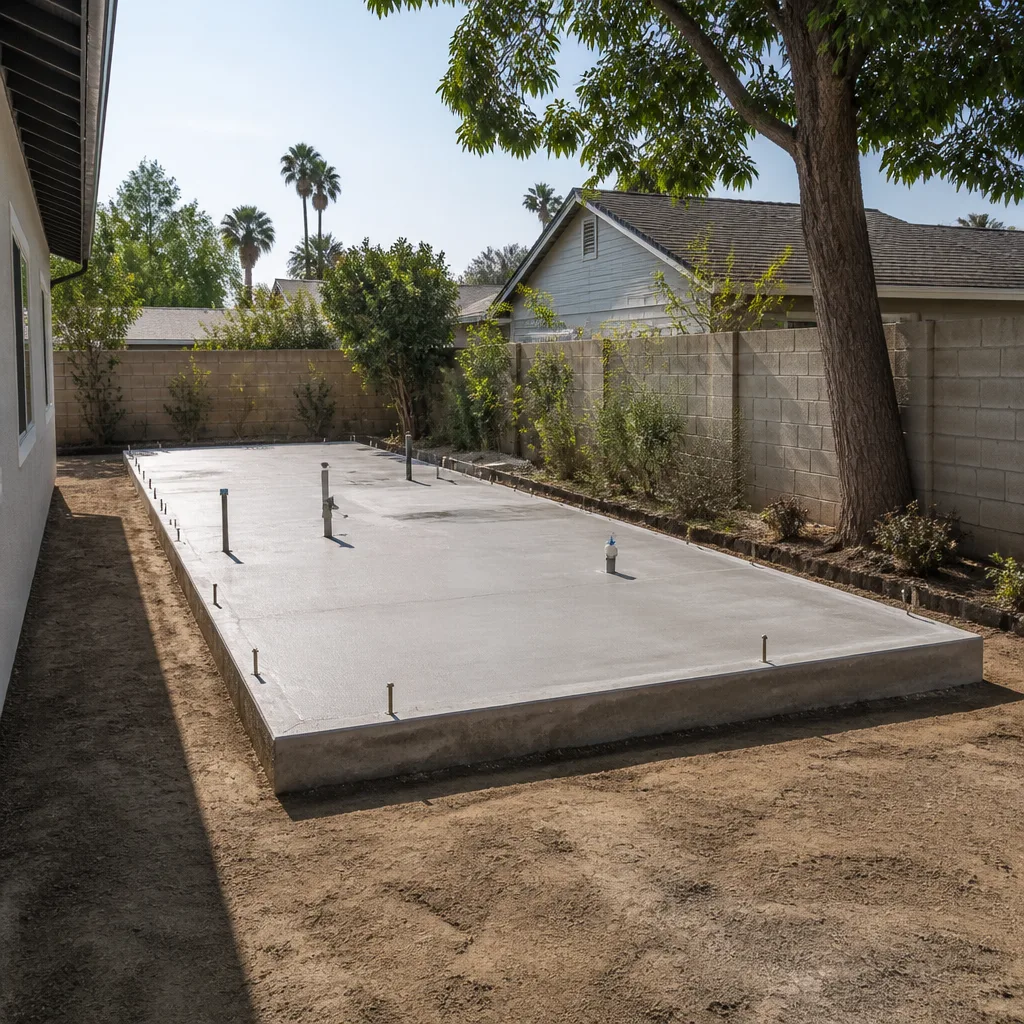
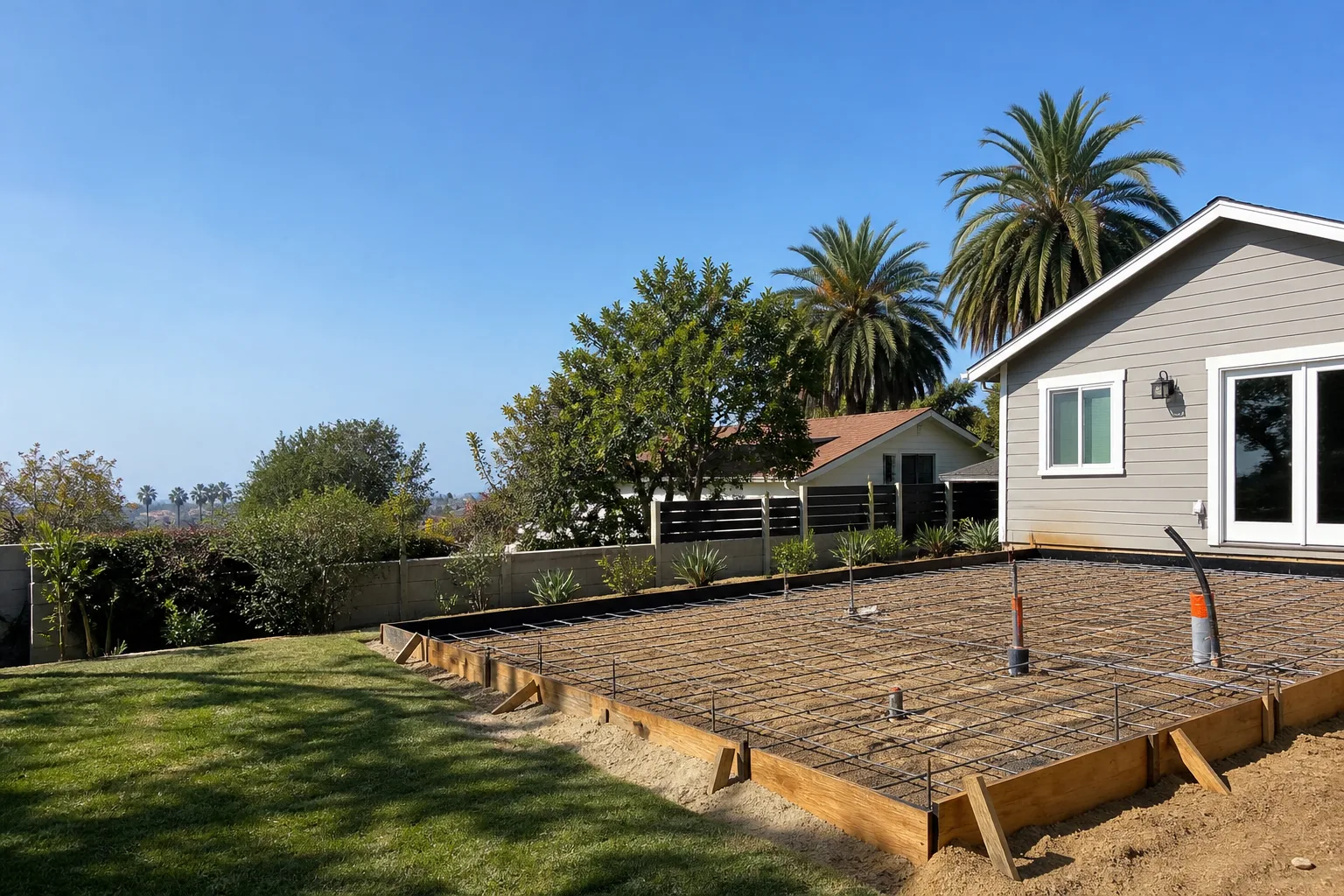
Dvele builds using a steel-framed panel system, and the site prep and utility connection hardware is specified for that exact frame, not for a generic wood-stick structure. The compatibility point that matters most: Dvele’s plumbing chases and electrical raceways are factory-set at specific dimensions, so the stub-outs and conduit sleeves we install have to land within a tolerance of about half an inch, or you’re cutting into panels to make things line up. That’s the gotcha. A standard San Antonio plumber who’s never touched a Dvele will happily set a sewer rough-in where a traditional house would want it, and then the factory panel arrives and doesn’t line up, and now you’re paying for concrete surgery.
We work with the full range of Dvele series homes, from smaller one-bedroom layouts through their larger multi-bedroom models, and the utility connection spec doesn’t change much between series: what changes is the location of the wet wall, the service entrance, and the panel’s connection points. If you have your Dvele build sheet or the panel label from the factory, that tells us everything. If you don’t, we can identify the connection spec from the visible chase locations and the electrical service panel placement. For replacement parts specifically, we’ll tell you straight whether an OEM Dvele-spec component is the right call or whether a quality aftermarket equivalent, same gauge, same rating, same connector pattern, does the job for less. For high-stress connections like main electrical feeders and potable water manifolds, we generally recommend staying with Dvele-spec parts. For things like cleanout caps, PVC sweeps, and concrete anchor bolts, aftermarket from a known manufacturer is perfectly fine and often gets you a better material than the builder-grade original.
Signs Your Dvele Site Prep & Utilities Are Failing
- Slow drains across multiple fixtures, not just one. This usually means the main sewer lateral wasn’t bedded correctly or has bellied at a joint, which is a site prep failure, not a clog. San Antonio’s clay soils shift, and a poorly compacted trench shows itself within two years.
- Breakers tripping on circuits that used to be fine. If the panel was wired with undersized conductors from the meter to the main breaker, the system degrades over time and trips become more frequent in summer when the air conditioning load peaks.
- Water pressure that drops when a second fixture runs. This points to an undersized supply line from the meter or a kinked service sleeve where the line enters the home. Dvele fixtures are low-flow by design, so when pressure drops anyway, the restriction is almost always outside the home.
- A damp spot in the yard that never dries, even in July. That’s a leaking underground supply line or a failed irrigation backflow, and in San Antonio’s shrink-swell clay it gets worse fast: the wet soil expands, then contracts when it dries, and the movement stresses every connection above it.
- Gurgling from a floor drain when the washing machine empties. That’s a venting issue, and in Dvele’s compact utility chases, a blocked vent rarely clears on its own. It usually means a bird or debris has found the roof termination, or a vent line was undersized at rough-in.
None of these are subtle. What they share is that they start small and get expensive if left alone. A slow drain becomes a backup. A warm breaker becomes a melted bus bar. We’d rather catch it at stage one.
Replacement Cost & What’s Included
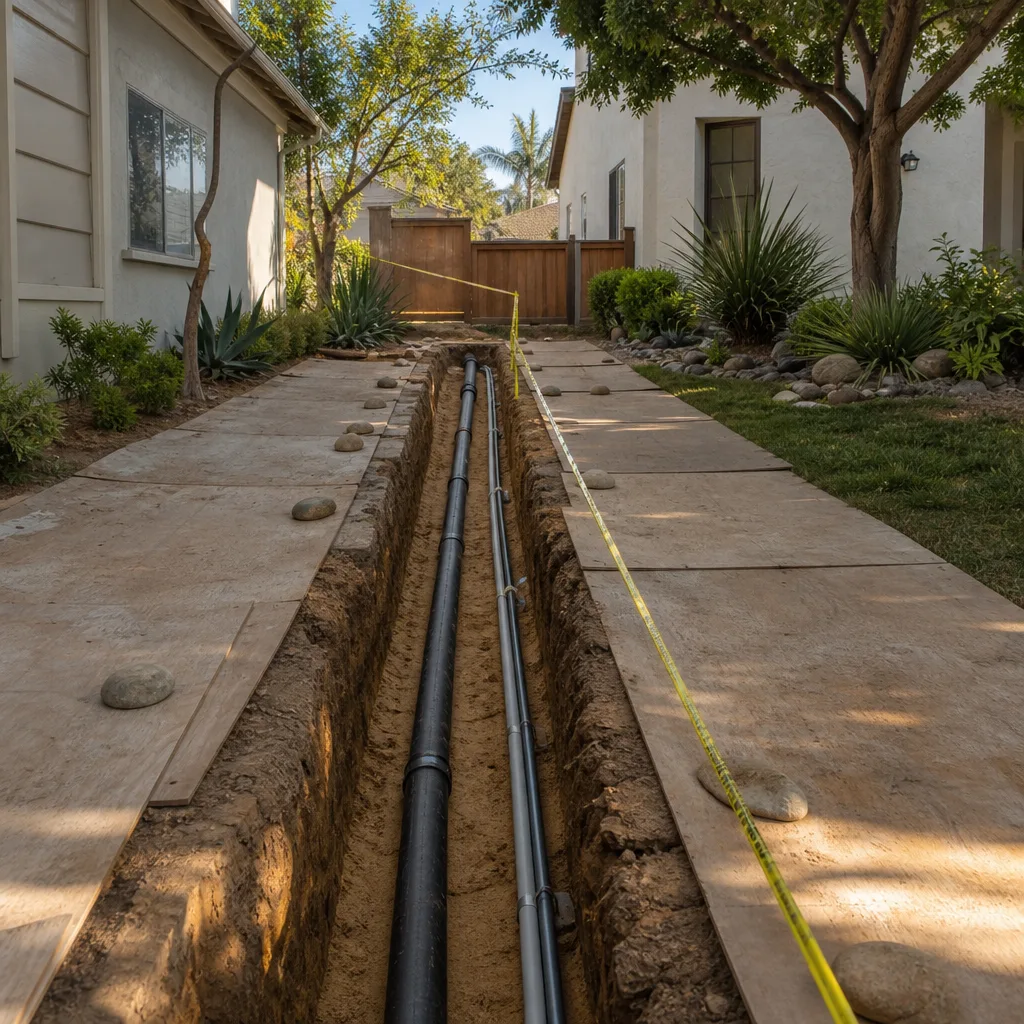
For San Antonio homeowners, here’s the range we quote on Dvele site prep and utility work, based on what we’ve installed and repaired across the city:
| Work Item | Typical Range (Installed) |
|---|---|
| Sewer lateral replacement (up to 40 ft) | $3,800 – $6,500 |
| Water service line replacement (up to 30 ft) | $2,400 – $4,200 |
| Electrical service upgrade to 200A panel | $3,200 – $5,800 |
| Utility connection reset to Dvele panel specs | $1,500 – $3,400 |
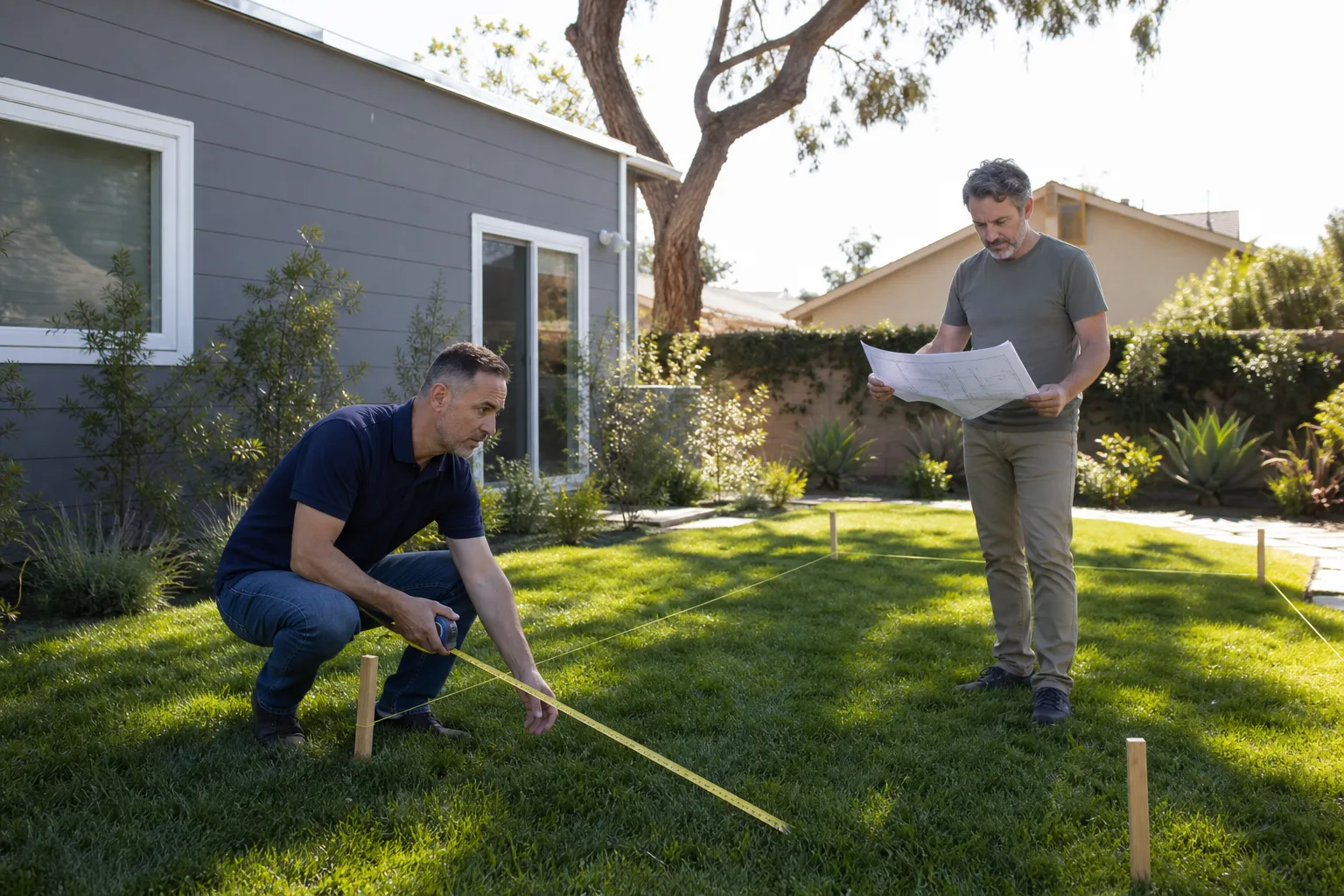
| Full site prep package (new build stub-outs, trenching, backfill, compaction) | $6,000 – $14,500 |
What drives the range: trench depth, soil conditions, distance from the city tap, and whether we’re repairing in place or starting fresh. San Antonio’s clay soil often means deeper bedding and more gravel than a coastal job, and that’s already factored into those numbers. Every quote includes parts, labor, haul-away, and compaction testing on backfilled trenches. You get a written line-item price before any shovel hits dirt, and the 365-Day Done Right Promise covers the work for a full year: if something we touched isn’t right, we come back and fix it at no charge. That’s not a verbal assurance; it’s stamped on your contract.
DIY or Call Us?
Here’s the honest split. There are things you can safely check yourself: locate your water meter and note whether it spins with every fixture in the house turned off (if it does, you have a leak). Check your electrical panel for any breaker that’s warm to the touch. Look for wet spots in the yard after a dry week. Those are diagnostic checks, and they cost you nothing.
The repair side is different. Trenching to repair a sewer lateral in San Antonio means digging through clay that can weigh over 100 pounds per cubic foot when wet, and collapses in unshored trenches are a real risk, not a theoretical one. Electrical service work means pulling the meter, and that requires coordination with CPS Energy and a licensed electrician; doing it wrong can start a fire or electrocute someone. Our recommendation: do the observations, send us photos if you’d like, and then call (430) 258-2928 and let our crew handle the repair. Troy Eastman will give you a flat number on the phone after seeing the situation, and that number goes on paper before anything else happens. The number goes on paper first. Everything else follows from there.
FAQs
A properly installed Dvele utility connection should last 40 to 50 years, but San Antonio’s clay soil and summer heat shorten the service life of poorly bedded lines to as little as 5 to 10 years. The difference is almost always trench preparation and material spec. Call (430) 258-2928 if you suspect yours was installed wrong; we’ll diagnose it for free.
Sometimes. Small leaks at threaded fittings or cleanout caps can often be repaired in place for a few hundred dollars. A bellied sewer line or a collapsed conduit almost always needs replacement, because patching a section that’s already shifted just moves the failure point down the line.
Most utility connection repairs take one to two days. A full sewer lateral replacement runs two to three days including backfill and compaction testing. We’ll tell you the timeline in writing before we start, and we send before-and-after photos so you can see the work, even the parts that end up underground.
We stock the common Dvele-compatible connection components on our trucks: conduit sweeps, plumbing manifolds, cleanout fittings, anchor bolts, and electrical lugs. For rare or panel-specific OEM pieces, we order directly and typically have them in hand within three to five business days. We also keep parts for Abodu and Cover homes for San Antonio owners with other prefab builds.
If your Dvele home’s site prep or utility connections are acting up, call (430) 258-2928 for a free estimate. A live person answers, we’ll schedule a look at your property, and you’ll have a written price before any work starts. That’s how we’ve done it since day one, and it’s how we’ll do it on your project.
Written by Troy Eastman, Owner & Builder, Benson ADU San Antonio at Benson ADU San Antonio, serving San Antonio and nearby areas.