Boxabl Site Prep & Utilities: The San Antonio Owner’s Guide
Boxabl site prep and utilities work in San Antonio typically runs $18,000 to $45,000 depending on lot conditions, utility distances, and foundation type. We stock the connection hardware, pad materials, and utility stub-outs needed for most Boxabl Casita installations, and we can usually begin site work within two weeks of the written estimate. Most owners don’t realize their site prep failed until the Boxabl module gets delivered and the crane can’t set it level, or the utility trench doesn’t match the permits pulled back in March.
Here’s the reality: your Boxabl shows up on a truck as a finished module, but the ground it sits on is entirely your responsibility. In San Antonio, that means dealing with clay soil that expands and contracts, limestone shelves that stop a trencher cold, and city utility easements that dictate where your sewer and water lines can even go. Get the prep wrong and you’re paying a crane crew to wait while you fix a trench. That’s the expensive kind of waiting.
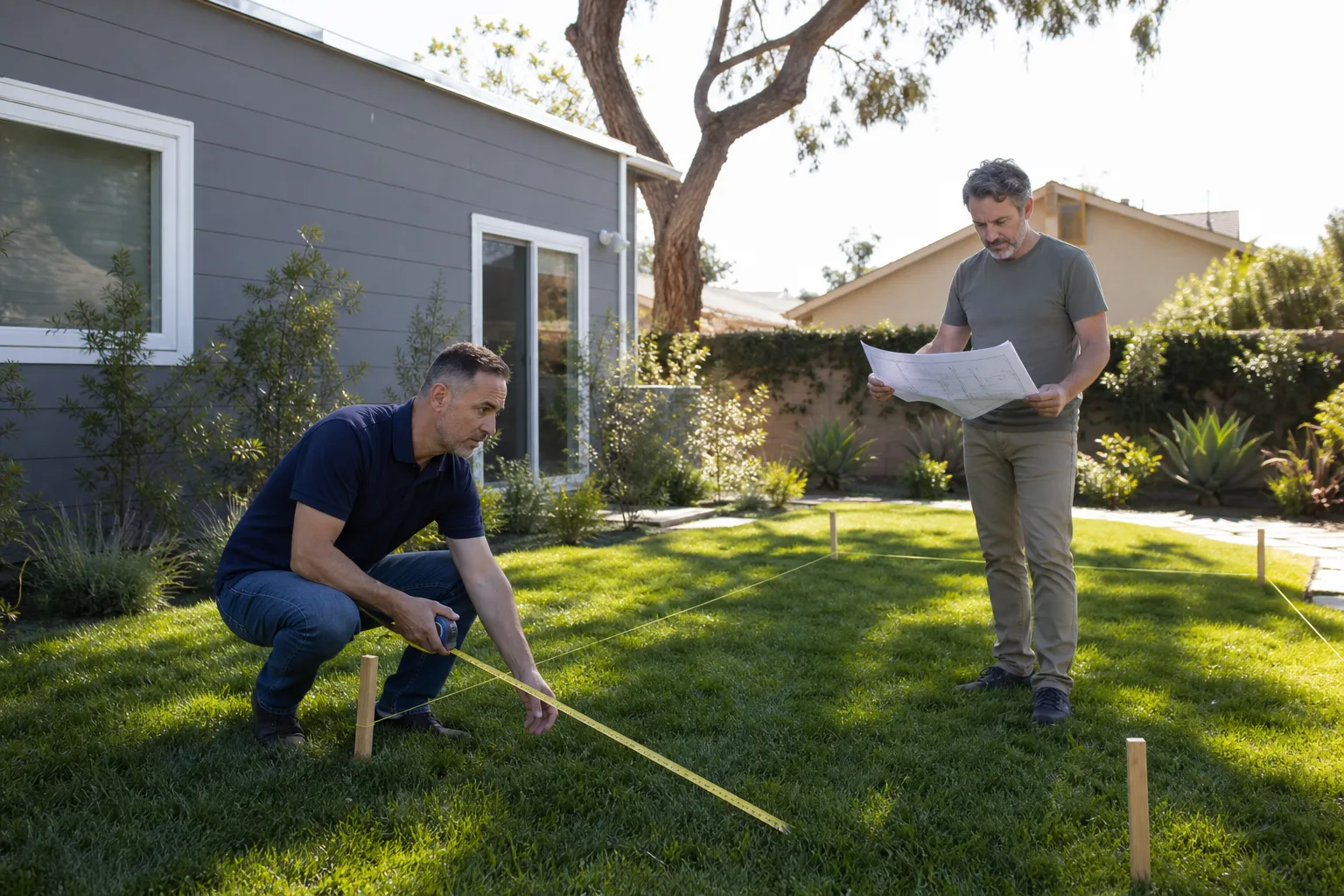
We’re Benson ADU San Antonio, and we handle Boxabl-compatible site prep and utilities from pre-pour stakeout through utility sign-off. The number goes on paper first. Everything else follows from there.
Key Takeaways
- Typical installed cost: $18,000 – $45,000 for full site prep, utilities, and foundation pad in San Antonio.
- Biggest cost driver: utility trench distance and whether you hit rock during excavation.
- What we stock: Boxabl-compatible foundation anchors, electrical/service panels, sewer laterals, and water stubs.
- Safety reality: electrical panel connections and sewer tie-ins are not DIY work in Bexar County. Period.
Which Boxabl Models This Applies To
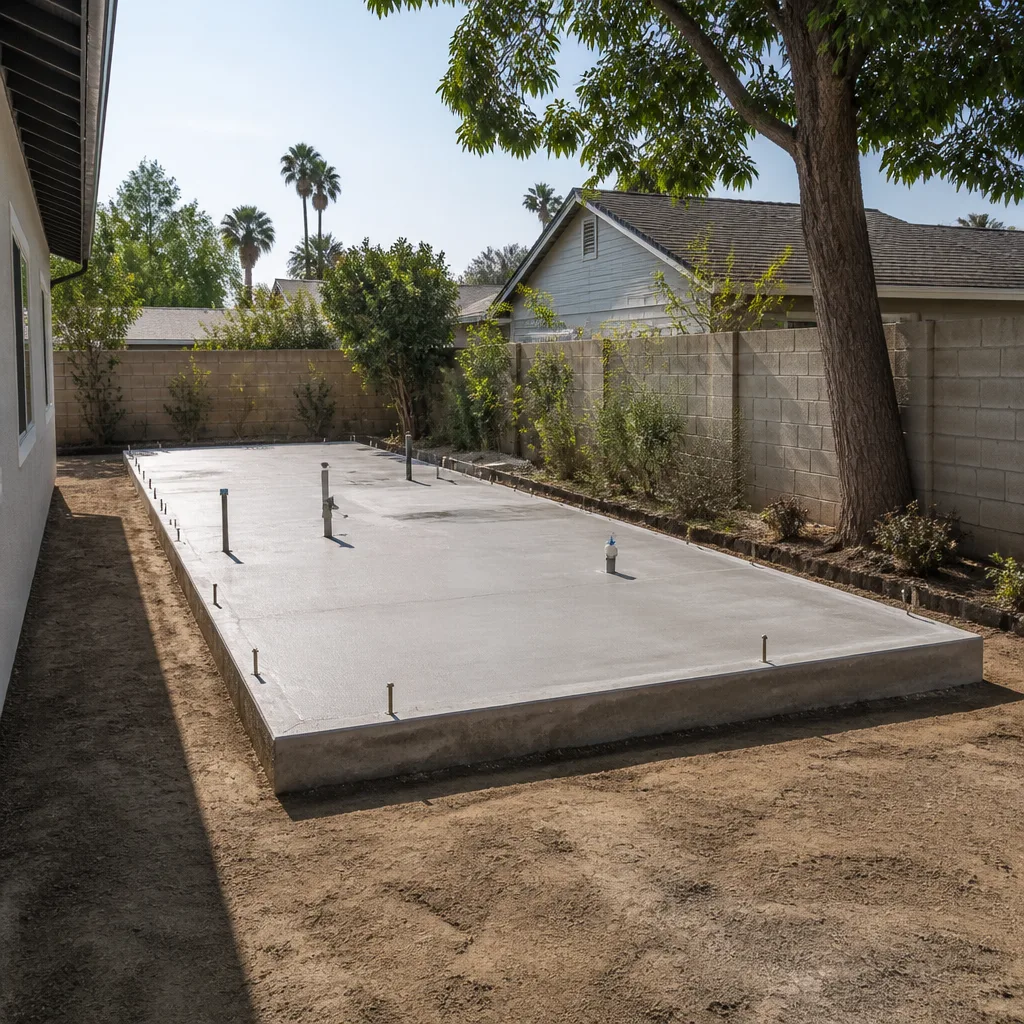
This page covers site prep and utilities for the Boxabl Casita (the 19-by-19-foot folding module) and any Casita-based configuration you’re planning, whether that’s a single unit or a stacked or side-by-side layout. The Casita has a known utility connection footprint: a 100-amp electrical panel, a standard 3-inch sewer stub, and a 3/4-inch water supply line. If your Boxabl is a newer model or a custom configuration, the connection rough-in dimensions can shift by a few inches, which matters more than you’d think when your concrete pad is already poured.
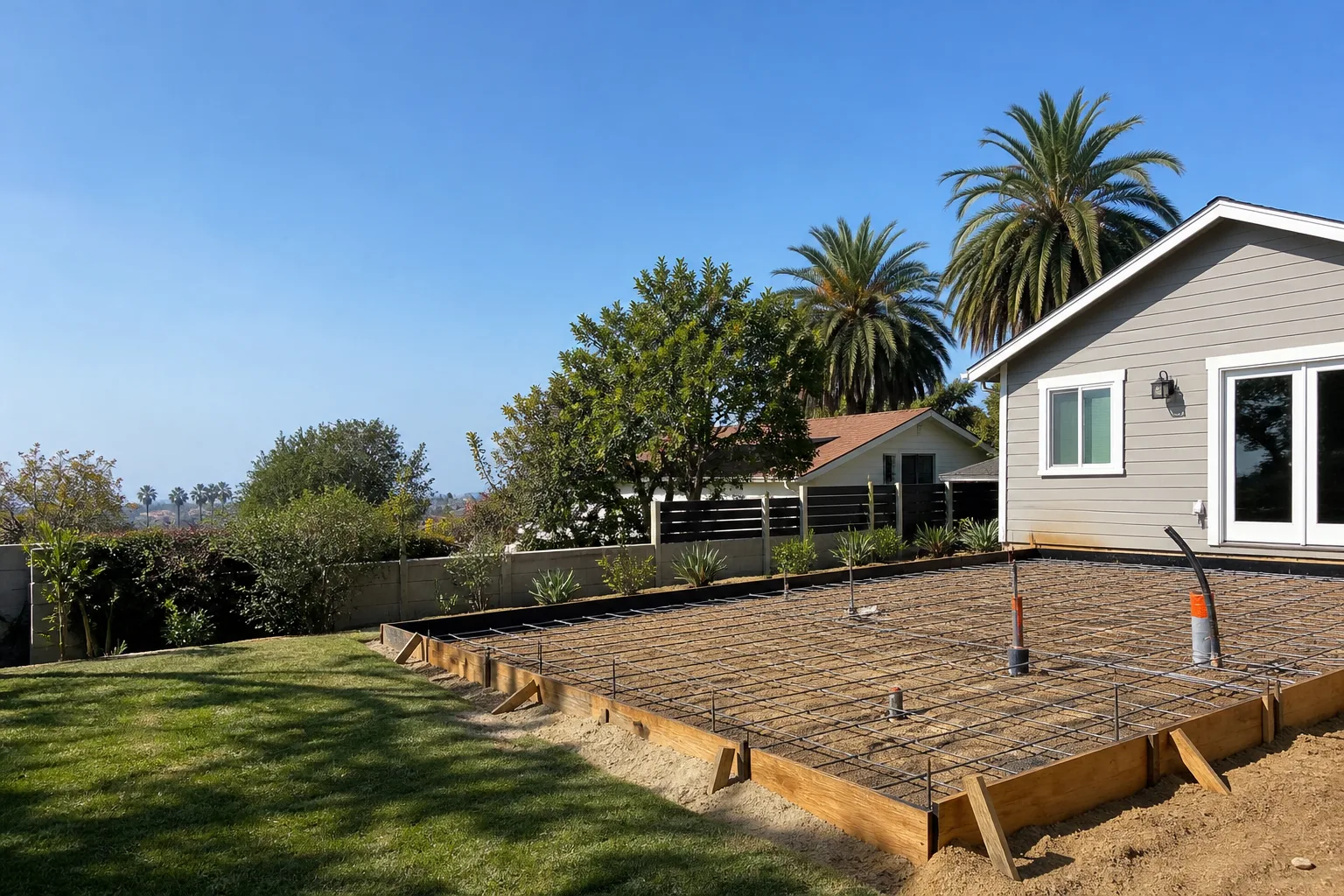
Here’s the compatibility gotcha that catches San Antonio owners off guard: Boxabl specifies the module be set on a foundation pad with anchor connection points that match the folding frame geometry, not just any flat slab. A standard ADU slab will not work as-is. The anchor layout has to match the Boxabl frame bolt pattern, and if your concrete contractor doesn’t have that spec sheet in hand before the pour, you’re paying for epoxy-set anchors after the fact at $40 – $60 per anchor. We pull the Boxabl anchor spec before we ever order concrete.
On the OEM-versus-aftermarket question: most of the site prep materials, like the concrete, rebar, PVC sewer line, and PEX water line, are commodity items where aftermarket means nothing. But the electrical panel and the meter-main disconnect need to be specific to what CPS Energy and the City of San Antonio will sign off on. If you buy a panel online because it was cheap, and it’s not on the approved equipment list, you’ll buy it twice. We spec panels the inspector already knows.
Benson ADU San Antonio is an independent contractor. We are not affiliated with Boxabl, but we build with their modules and know the site requirements cold. We also handle site prep for other brands our customers ask about, including Abodu, Cover, and Dvele, so we’re used to reading manufacturer foundation specs word-for-word.
Signs Your Boxabl Site Prep & Utilities Is Failing
Most Boxabl site prep failures show up before the module is even set, or within the first 12 months in the ground. Here’s what we regularly see in San Antonio:
- Foundation pad cracks or heaves within the first year. San Antonio clay soil expands dramatically when wet and contracts in drought. A pad poured without proper rebar and a compacted road-base layer will crack at the corners. Boxabl modules don’t tolerate uneven pad settlement, the folding frame starts binding and doors stick.
- Water pressure at the module is half what the meter delivers. A kinked or undersized water line, usually from a cheap 1/2-inch line run instead of 3/4-inch, steals pressure before it reaches your faucet. You’ll notice it most when the washing machine and a shower run at once.
- Electrical panel trips the main breaker when the mini-split and dryer run together. A Boxabl Casita wants a dedicated 100-amp service. Wire the panel for 60 amps or tie it into the main house panel instead of running a separate meter, and you’ll get nuisance tripping every summer. San Antonio summers test gear harder than most cities.
- Sewer smell near the Boxabl or slow-flushing toilet after rain. A sewer lateral that’s been run too flat, or with a belly in the trench, backs up with solids. Heavy rain makes it worse when ground pressure shifts the line. This is not a pour-something-down-the-drain fix.
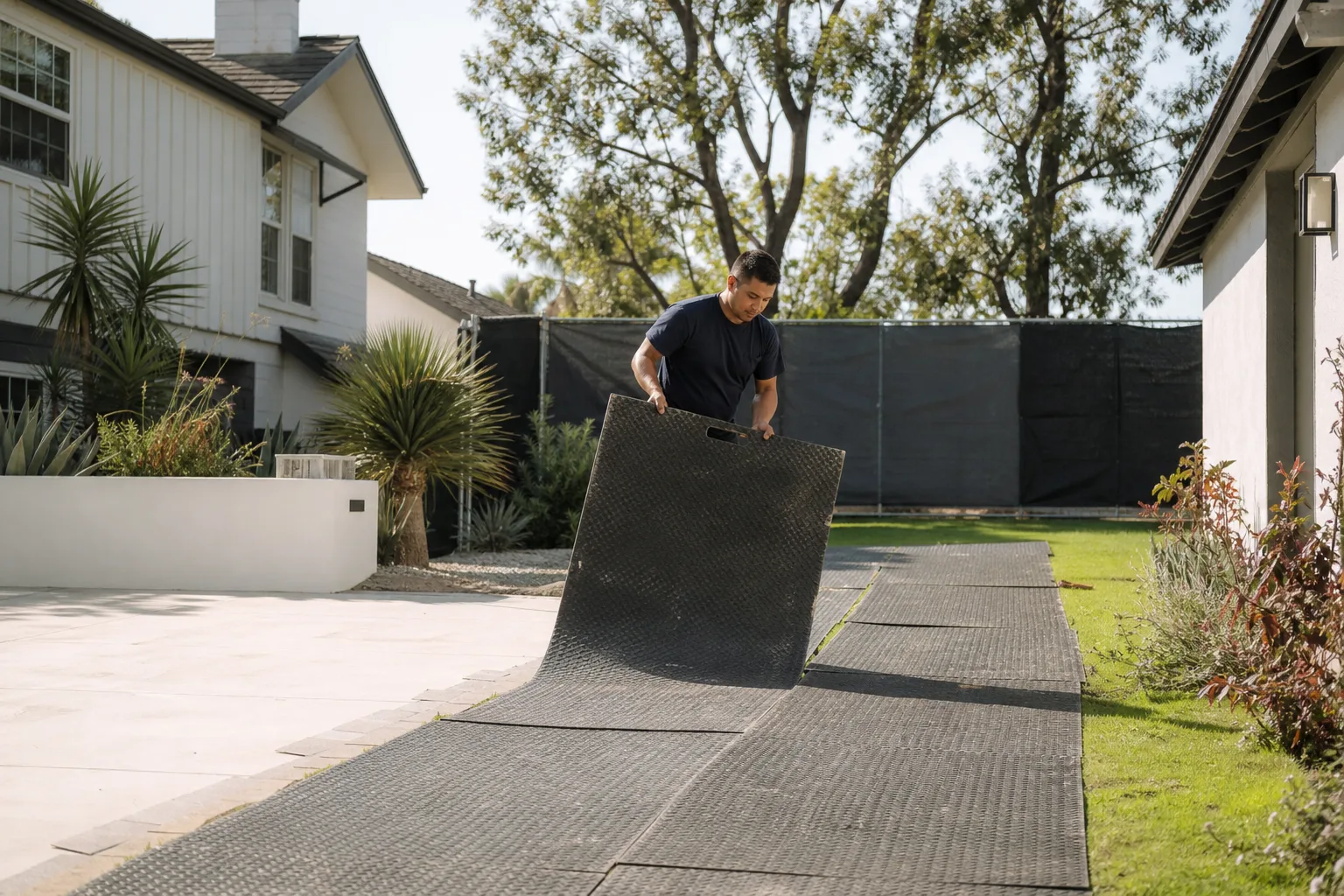
- Utility trench sinkholes or soft spots running from the street to the module. If the trench wasn’t compacted in lifts, the dirt settles unevenly and pulls down your paver walkway or yard. We see this where utility lines cross a driveway.
Replacement Cost & What’s Included
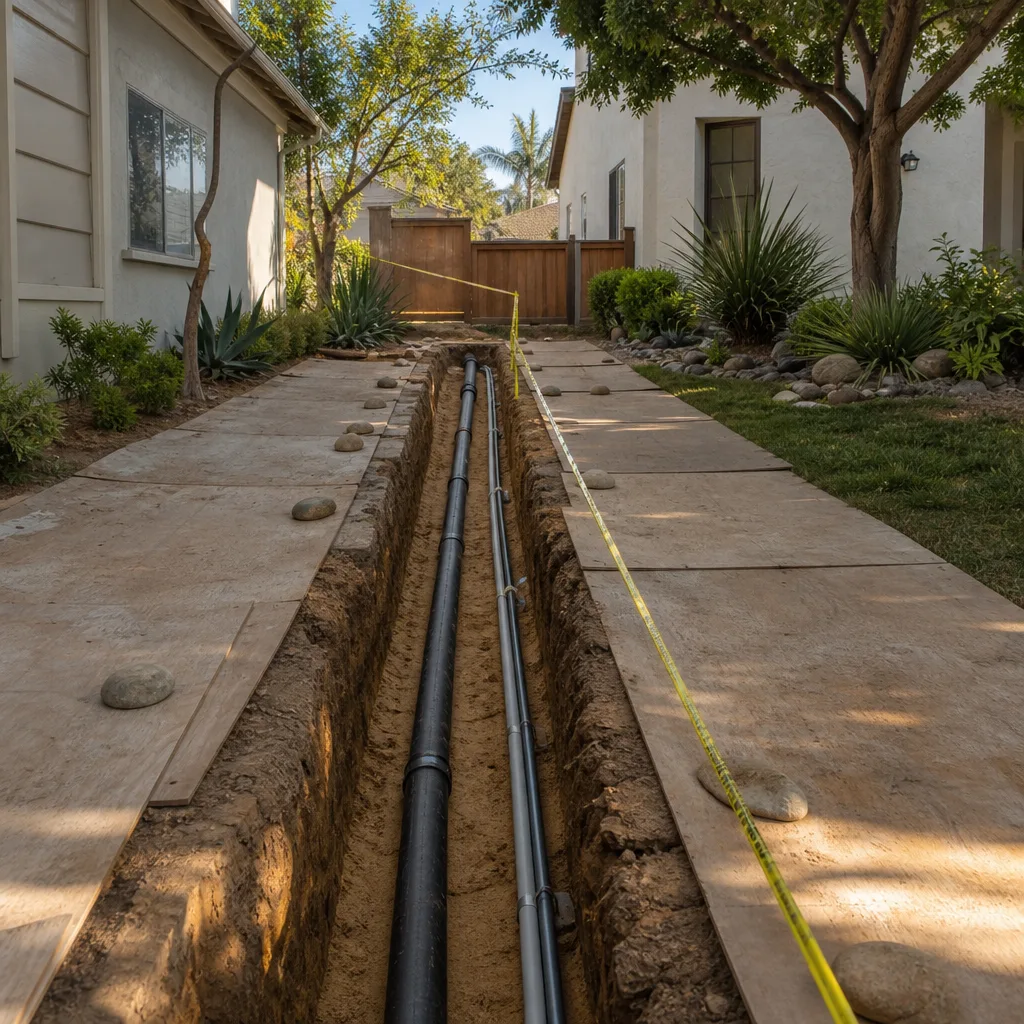
Full Boxabl site prep and utilities in San Antonio generally lands between $18,000 and $45,000. That’s a wide range because a flat lot in a newer development on the northeast side costs far less to prep than a sloped, tree-covered lot near Alamo Heights, where we’re shoring the foundation and trenching twice as far to tie into the main sewer.
Here’s how that breaks down in typical San Antonio market pricing:
- Site survey, soil test, and lot grading: $1,200 – $3,500, depending on slope and tree coverage.
- Foundation pad (compacted base, rebar, 4-inch slab, Boxabl-compatible anchor layout): $8,000 – $18,000, driven by pad size and soil conditions.
- Utility trenching and rough-in (water, sewer, electrical conduit): $4,000 – $12,000. Distance from the street, depth required, and whether we hit limestone are the big variables here.
- Electrical panel, meter main, and service wiring: $2,500 – $6,000. Separate meter versus tapping the main panel changes this number significantly, and local CPS Energy rules dictate which one you’ll actually do.
- Permits, inspections, and final utility sign-off: $1,500 – $4,000. The permit itself is paid directly to the City of San Antonio and sanitary sewer tie-in fees are billed separately by SAWS.
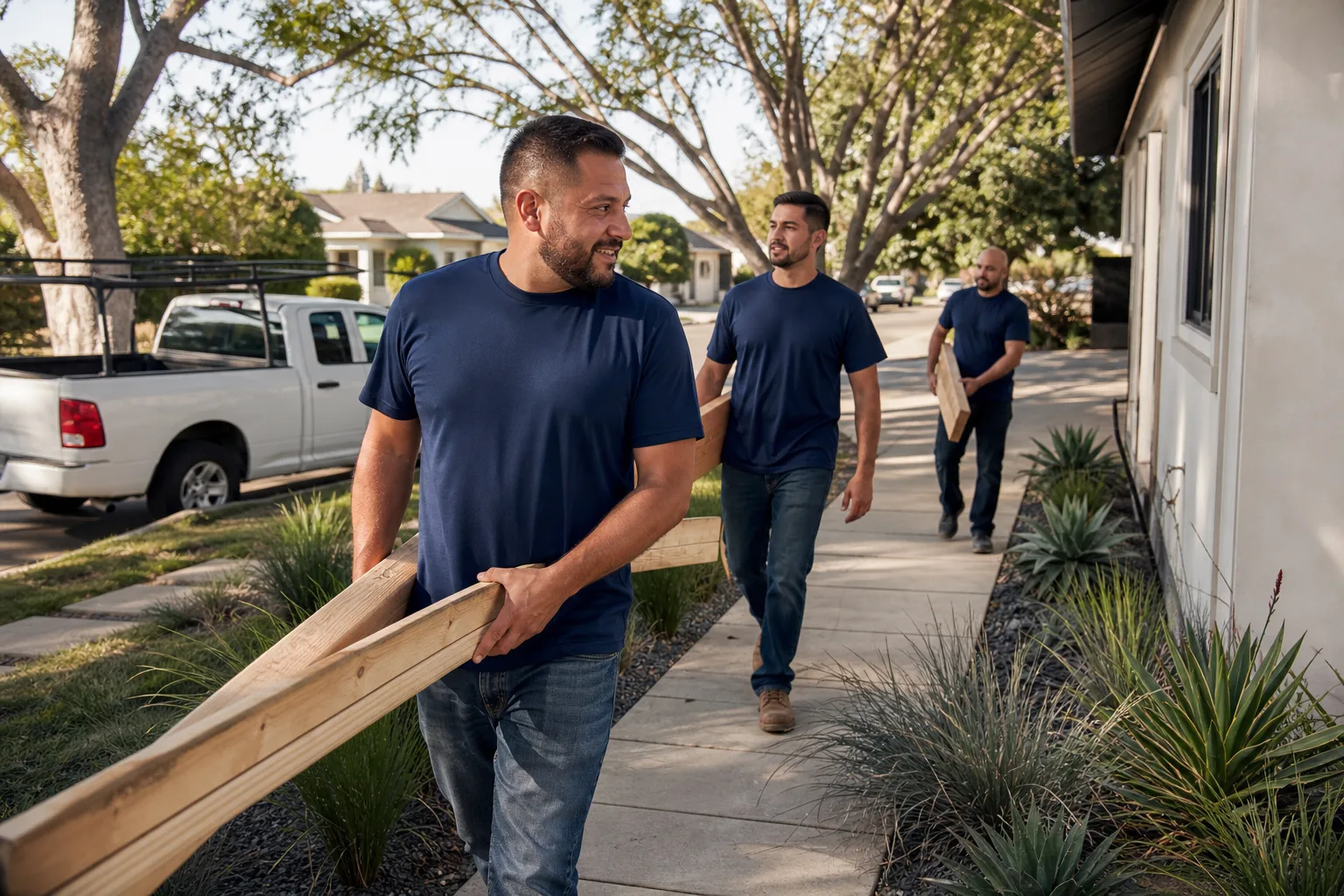
Every quote we write includes all materials, labor, the permit, the inspections, and the written fixed price. No change orders on the big items, no “while we were in there” surprises. If the inspector flags something we missed, that’s on us. The 365-Day Done Right Promise covers our site work for a full year: if the pad heaves, the trench settles, or a stub-out fails, we come back and fix it. In writing.
Call (430) 258-2928 for an exact quote on your lot. Estimates are free, the price is fixed in writing, and Troy Eastman will walk you through the number line by line before you decide.
DIY or Call Us?
The honest split: you can safely handle a few things yourself, and there’s a hard line you should not cross. You can clear brush and mark fence lines. You can call 811 to have underground utilities located (that’s your call to make, and it’s free). You can verify your property lines against your survey.
What you should not touch: anything involving the electrical panel or service connection. A live 100-amp panel is lethal, and the inspector will fail a homeowner-wired panel on sight in San Antonio. Same with the sewer lateral. Any job that requires cutting into a live sewer line or working in a trench deeper than your waist needs shoring, and that’s a professional’s job, not a weekend project. We’ve fixed enough hand-dug trench cave-ins and backwards-wired panels to know the cheapest labor is the labor you hire once.
If you want to inspect before you call, walk the property and note where the water line comes in, where the sewer cleanout sits, and whether the panel location makes sense for the module. Then call (430) 258-2928 and we’ll get a tech out to look with you. The estimate costs nothing.
FAQs
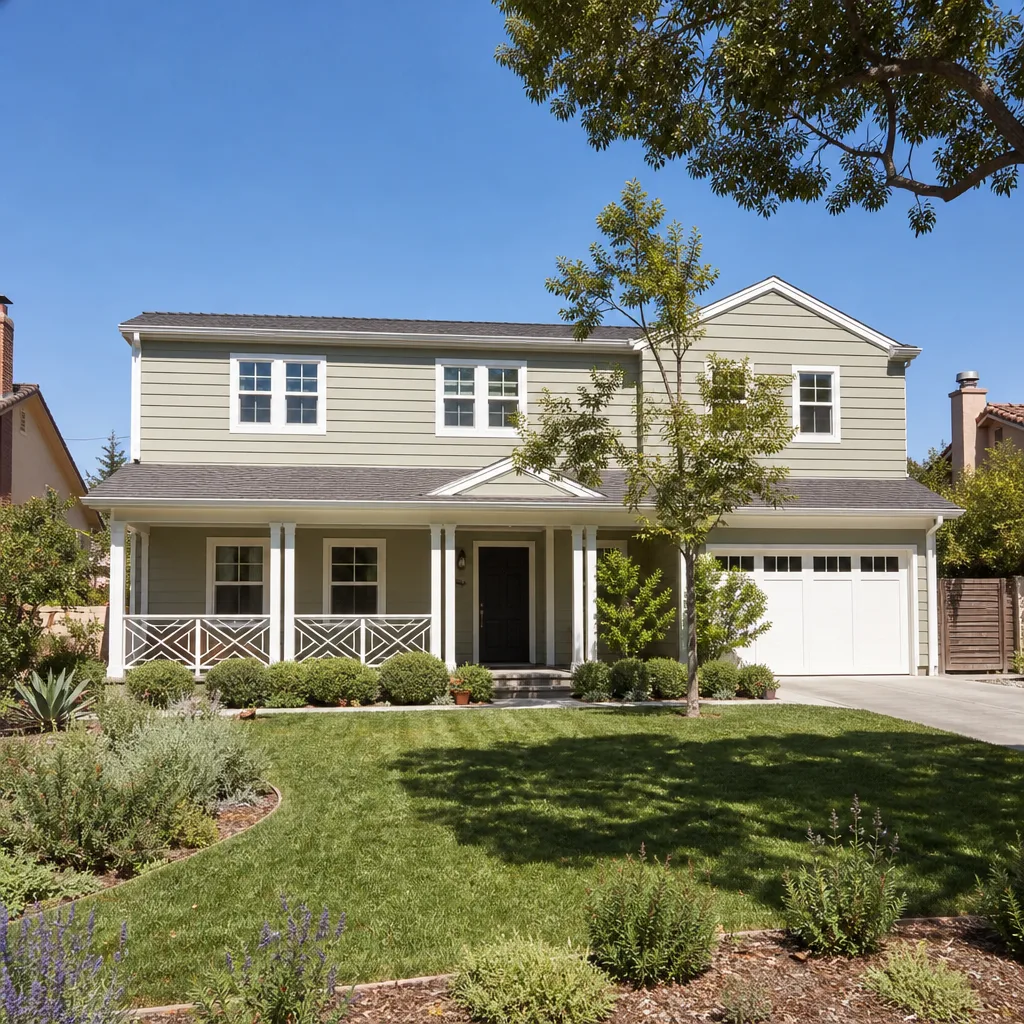
Most San Antonio lot preps take 2 – 4 weeks from the first shovel to final utility sign-off, assuming the weather cooperates and no unexpected rock gets in the way. The concrete needs to cure before the module is scheduled for delivery, and inspections have to be scheduled sequentially, so you’re looking at around a month of timeline for the typical urban lot. Call (430) 258-2928 and we’ll give you a schedule for your specific property.
It depends on the severity, but small corner spalls and hairline cracks can often be epoxy-injected, while a pad that’s settled unevenly or cracked through the center usually needs to be removed and repoured, because the Boxabl folding frame won’t tolerate differential settlement. We’ll assess yours and tell you straight which side of that line you’re on. Estimates are free.
The electrical, water, and sewer final connections after the Boxabl is set typically take 1 – 2 days for our crew. We usually coordinate a same-week inspection so you’re not waiting on the city any longer than necessary. Call (430) 258-2928 for the schedule on your site.
Yes, we keep Boxabl-compatible anchor sets, approved electrical panels, meter mains, and the standard 3-inch sewer and 3/4-inch water connection hardware on hand or available same-week from our local supply partners. If your module has a non-standard connection layout, we can order the right parts and have them staged before the crane ever arrives.
Get a Fixed Price on Boxabl Site Prep & Utilities in San Antonio
The best time to bring us in is before you pour anything. We’ll survey the lot, pull the Boxabl anchor spec, map the utility runs, and hand you a written price that doesn’t change. If you already have a failed pad or a utility line that’s failing, call us anyway. We’ll diagnose it, tell you what it takes to fix it, and put the number in writing before any work begins. Call (430) 258-2928 to schedule your free estimate.
Written by Troy Eastman, Owner & Builder, Benson ADU San Antonio at Benson ADU San Antonio, serving San Antonio and nearby areas.