Abodu Site Prep & Utilities: The San Antonio Owner’s Guide
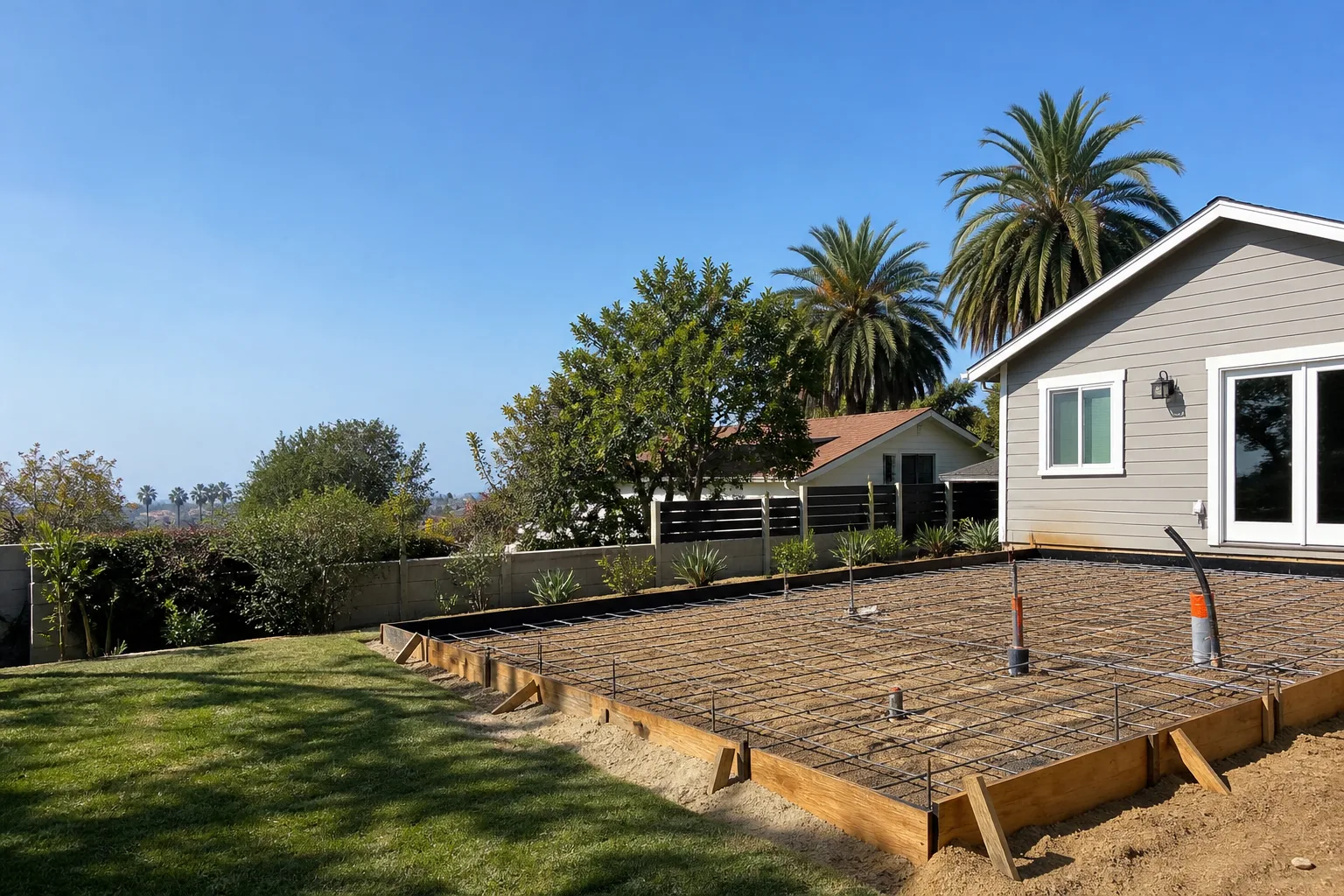
Benson ADU San Antonio stocks and installs Abodu-compatible site prep and utility components, with most San Antonio projects running $8,500 to $24,000 depending on lot conditions, trenching distance, and utility panel upgrades. That price covers excavation, grading, foundation prep, sewer and water line connections, electrical service, and the final compaction report your lender and the city both want to see. Most owners discover a problem the hard way: a failed utility connection, a settling pad, or a drainage issue that shows up after the first big rain. We can usually get a crew out within a few days to assess what’s going on.
We’re an independent service provider, not a factory arm of Abodu. That means we fix what’s failing without voiding your factory coverage, and we stock the common parts on our trucks so you’re not waiting on a shipment when the ground is already open.
Which Abodu Models This Applies To
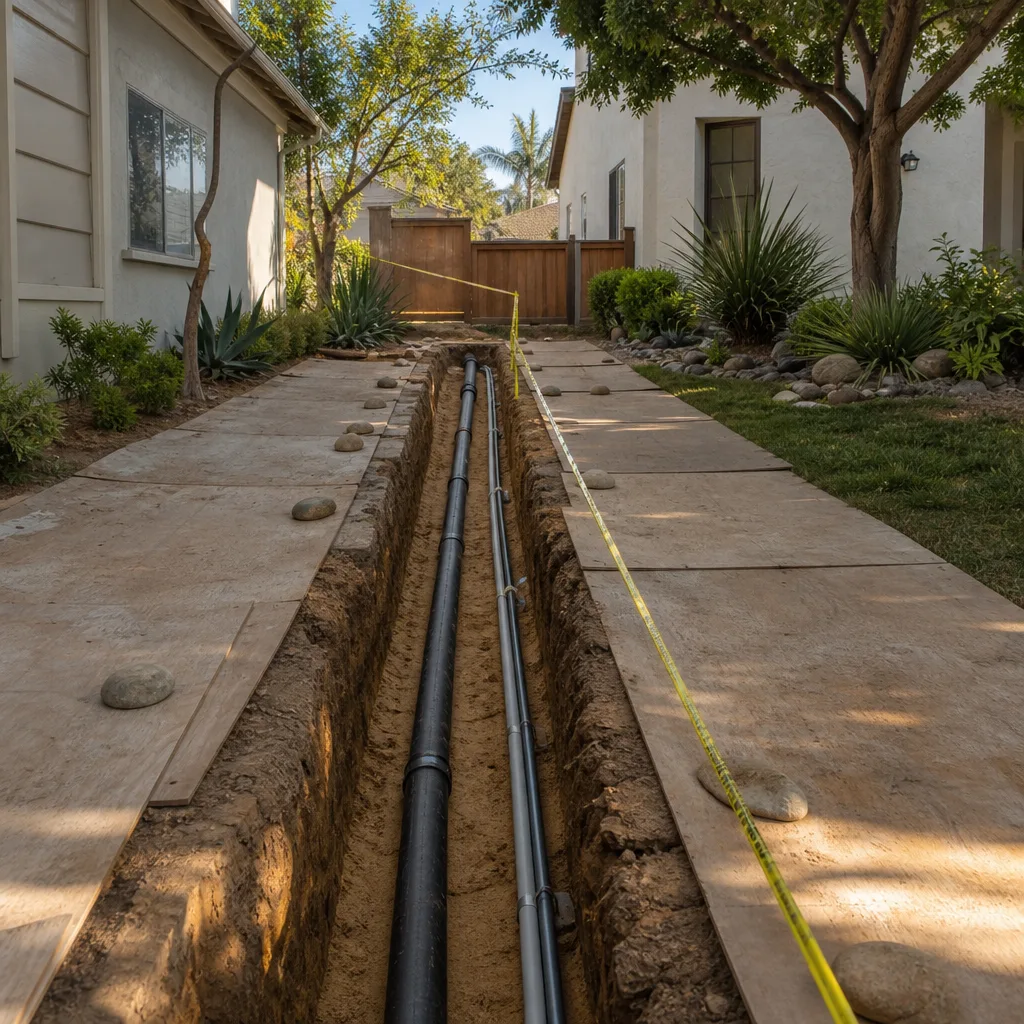
Site prep and utility work applies to every Abodu model we place in San Antonio, but the specifics shift by series. The Abodu Studio 450 has lighter foundation loads but typically needs a full 100-amp subpanel upgrade. The Abodu One 500 and Two 600 put more weight on the pad, so compaction and drainage become the failure points we watch closest. Abodu’s larger models, like the 1000 and 1200 series, need deeper footings and more trenching for dual-zone plumbing, which changes the price math considerably.
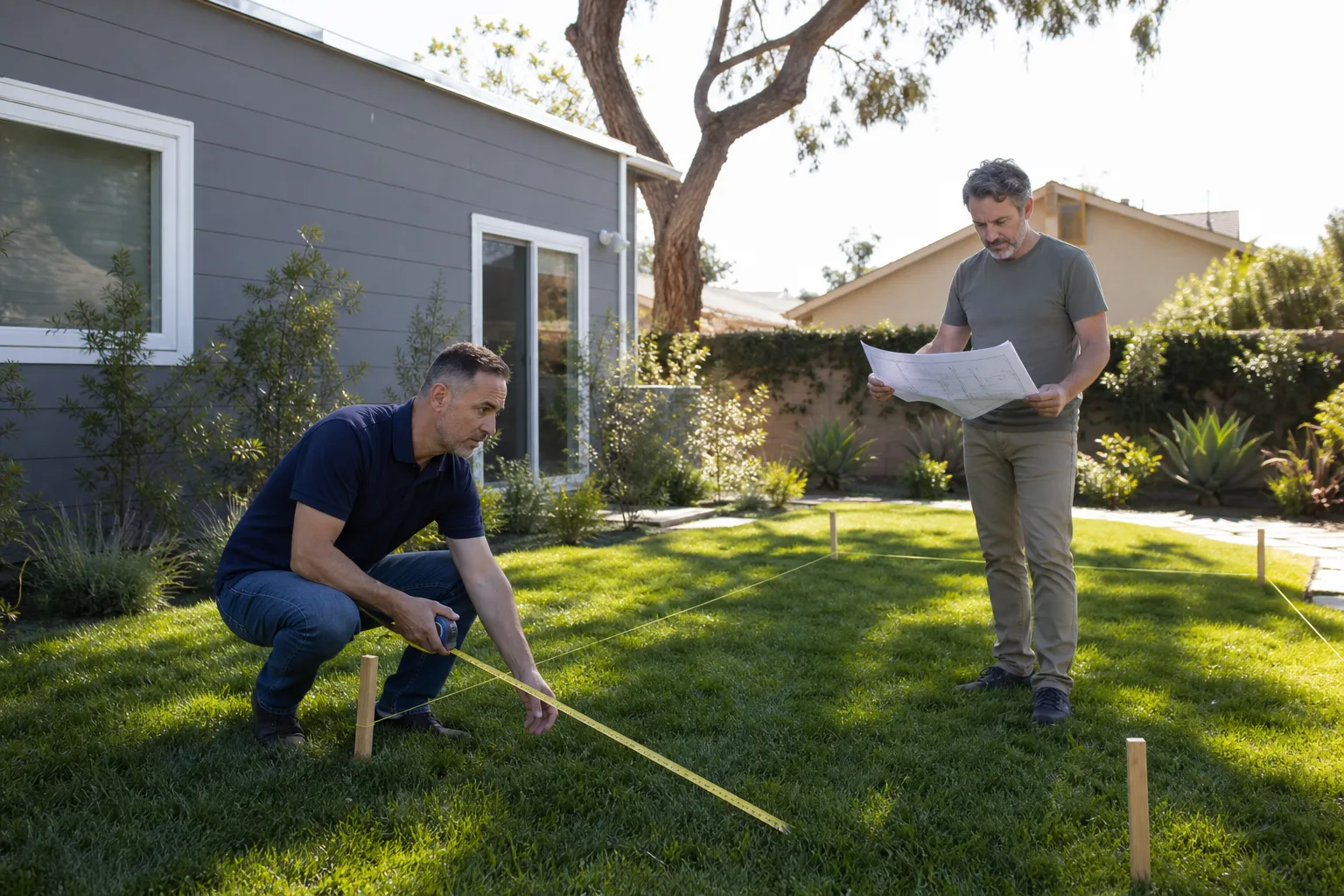
Here’s the compatibility gotcha most people don’t learn until it’s too late: Abodu’s utility rough-in points are set during manufacturing, so your site prep has to match them to within two inches or you’re looking at re-routing lines after the unit is set. That’s a $2,000 mistake you can avoid by having us measure against the factory spec sheet before any dirt moves. For parts, OEM Abodu components like their galvanized anchor brackets and pre-cut utility sleeves are worth the premium because they’re tolerance-matched to the chassis. Aftermarket equivalents on the open market run $30 to $60 cheaper, but we’ve seen enough sloppy fits to prefer putting the factory part back on when it’s available. For general supplies like PVC, conduit, and rebar, a good aftermarket is perfectly fine and we’ll tell you when it’s not.
Signs Your Abodu Site Prep & Utilities Is Failing
- Water pooling around the pad within 24 hours of rain. This usually means the perimeter drain or grading has failed, or the soil in San Antonio’s clay-heavy lots has shifted. In neighborhoods like Tobin Hill and Monte Vista, we see this often after the first big spring storm. Left alone, it undermines the pad and starts pulling on the utility connections.
- Septic or sewer smell near the unit or in the yard. A broken sewer lateral or a shifting pipe coupling is the usual cause. Black clay soil moves with the seasons here, especially in older lots near the King William Historic District, and connections that weren’t sleeved properly will eventually crack.
- Breakers tripping when the AC and a major appliance run at the same time. This tells us the subpanel or feeder wire was undersized, or the ground connection has degraded. It’s more common on older San Antonio lots where the main panel was already near capacity before the ADU was added.
- Doors or windows sticking, or visible cracks along the pad edge or wall joint. That’s a sign the pad is settling unevenly. San Antonio’s clay soil expands and contracts dramatically through our wet-dry cycles, and a pad that wasn’t compacted in lifts will show it within two or three years.
- Water pressure drops noticeably when both the house and ADU are using water. An undersized supply line, a failed pressure regulator, or a partially blocked connection where the new line ties into the main are the typical culprits.
Replacement Cost & What’s Included
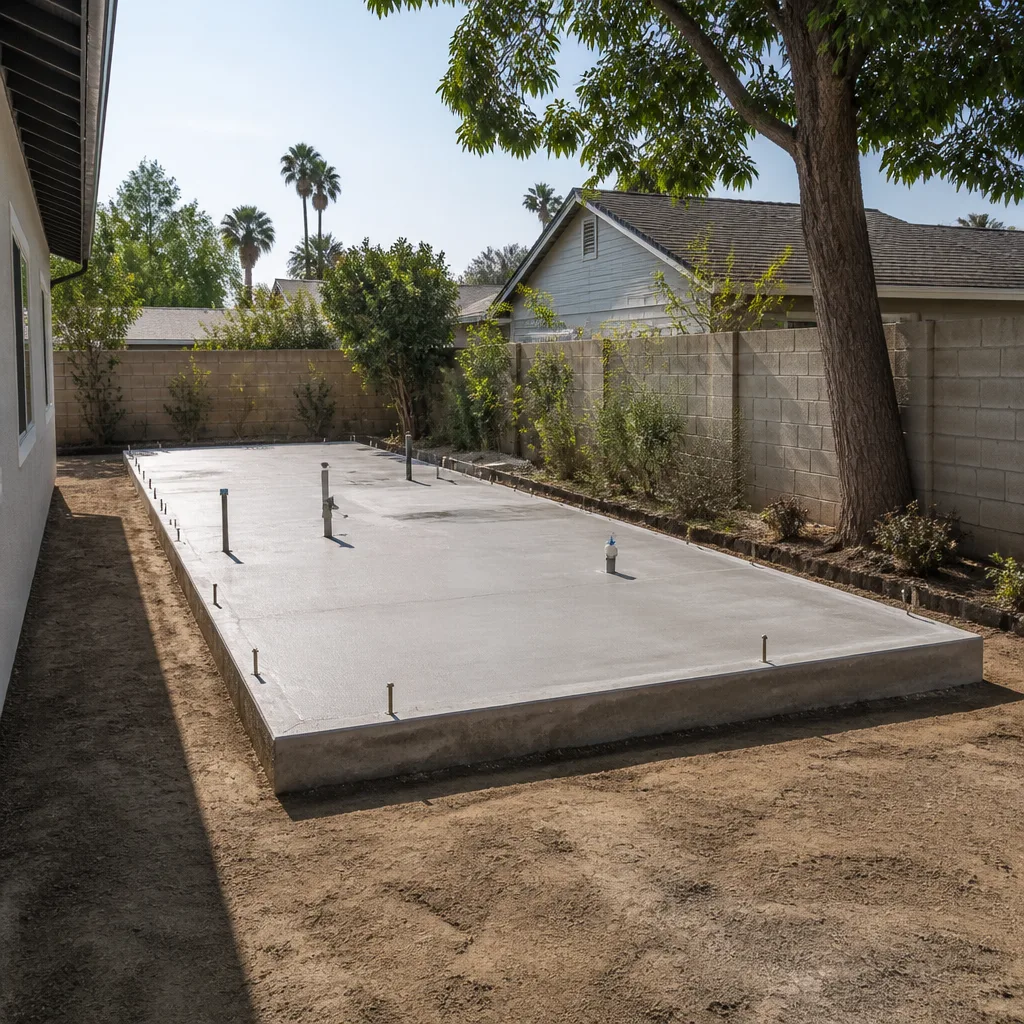
Site prep and utility repair or replacement in San Antonio typically runs between $8,500 and $24,000 depending on how much of the original work has to be redone. Partial utility repairs, like a failed sewer line section or a new subpanel, sit at the lower end from $2,800 to $6,500. Full re-grades with new compaction and drainage run $6,000 to $14,000. Complete utility re-routes with new trenching, panel relocation, and sewer main taps can push past $20,000 when the original work was done wrong.
Every quote includes the parts, labor, trenching, backfill, compaction, inspection scheduling, and the paperwork the city wants. Nothing gets billed later as a “change order” because we didn’t catch it the first time. Troy Eastman’s rule is simple: the number goes on paper first, everything else follows from there. And every job carries the 365-Day Done Right Promise. If something fails on our work within a full year, we come back and make it right, including a free second visit if a covered repair doesn’t hold.
DIY or Call Us?
You can safely check a few things yourself: take a walk around the pad after rain and note where water sits, look for visible cracks or gaps at the foundation line, and flip each breaker in the subpanel to see if any feel warm or loose. Those observations help us diagnose the problem faster when you call.
What you should not do is open any electrical panel if the breaker is arcing or any smell of burnt insulation is present. Don’t dig into any line you didn’t call 811 to locate first. San Antonio has buried utilities everywhere, and hitting a gas line or buried power is how a $500 repair becomes a five-figure emergency and a trip to the hospital. If the issue involves sewer gas, live electrical connections, or structural movement at the pad, let a trained crew with the right equipment handle it. We’re on the truck and ready to look. Call (430) 258-2928 and we’ll walk you through what we’re seeing before we even schedule a visit.
FAQs
Done correctly, the pad and utility connections should last 30 years or more, though San Antonio’s expansive clay soil means you’ll want the drainage inspected every few years. The parts we install carry a workmanship warranty of one full year under our 365-Day Done Right Promise, and manufacturer warranties on Abodu components run beyond that. If you’re seeing issues before the five-year mark, something was installed wrong from the start. Call (430) 258-2928 and we’ll tell you what we’re looking at, free of charge.
Yes, in about two-thirds of the cases we see in San Antonio. A failed sewer line section can be spot-repaired, a settling corner can be lifted and re-compacted, and a subpanel can be upgraded without tearing everything out. Full replacement only makes sense when the original work wasn’t done to code in the first place, and we’ll show you the evidence before recommending that route. Get a written price by calling (430) 258-2928 and we’ll put the full repair-versus-replace decision in front of you.
Most partial repairs take one to two days on site. A full re-grade or utility re-route typically runs three to five working days, including inspections. San Antonio’s permitting office schedules inspections on their own timeline, and we build that into the schedule so you’re not waiting on surprises. When you call (430) 258-2928, we’ll give you a day-by-day plan in writing before any work begins.
We keep common Abodu anchor brackets, utility sleeves, conduit fittings, backflow preventers, and pressure regulators on our trucks because these are the parts that fail most often in San Antonio’s soil and heat. Specialized factory components that are model-specific, like a custom rough-in manifold for the Abodu 1200, take three to seven days to arrive from the supplier. We’ll always tell you upfront whether the part is on the truck or on order, and that timeline goes into your written quote before you commit to anything.
Written by Troy Eastman, Owner & Builder, Benson ADU San Antonio, serving San Antonio and nearby areas.