Abodu Home Addition Contractor in San Antonio: What to Know First
As an independent Abodu service provider, Benson ADU San Antonio handles home additions for Abodu owners across San Antonio, typically completing planning and site preparation within two to four weeks once permits clear. Our pricing is straightforward: a written line-item quote before any work begins, with most Abodu-related additions running between $35,000 and $180,000 depending on scope, site conditions, and finish level. This page is for homeowners who already own an Abodu unit or are planning to install one and need a contractor who understands how these prefab structures integrate with San Antonio’s soil, climate, and building codes. Call (430) 258-2928 for a free estimate.
How Abodu Products Fail – and How We Fix Them
Abodu builds a solid prefab shell. But home additions are where we see the real friction points. Here are the five most common issues we encounter on Abodu jobs in San Antonio:
- Foundation interface on Series One and Series Two units. Abodu delivers the module on a steel chassis that sits on a prepared pad. The problem comes when owners want a stick-framed addition attached to that module. The chassis moves slightly with San Antonio’s expansive clay soil, while a traditional slab addition does not. If the connection detail isn’t engineered for differential movement, you get cracks at the seam within two years. We spec an engineered expansion joint and an independent foundation for the addition so the two structures can settle on their own terms.
- Roof tie-in leaks at the marriage wall. When we add a sunroom or bumped-out living space to an Abodu, the existing roofline is low-pitch prefab metal or membrane. Rushing a site-built roof tie-in creates ponding and leaks at the transition. We cut back the existing flashing, install a proper cricket and saddle, and use peel-and-stick underlayment across the entire transition zone before re-flashing. It’s the difference between a roof that lasts twenty years and one that stains your drywall in the first storm season.
- Electrical panel capacity on older Abodu units. Many Abodu modules ship with a 100-amp panel that’s already near capacity with the unit’s own HVAC, water heater, and appliances. A home addition that adds a bedroom, bathroom, or workspace can push that panel past safe load. We do a load calculation before we ever write the quote, and we’ll upgrade to a 200-amp service when the numbers call for it. Abodu’s own documentation doesn’t flag this for owners adding square footage later.
- Stucco and cladding mismatches at the new connection. Abodu’s exterior finish is a smooth-stucco panel system. Matching that texture with site-built stucco is genuinely hard, and a bad match is the first thing you notice from the curb. We use a specialty finish crew that samples the existing texture and replicates it across the new wall plane. Most San Antonio contractors just slap on a standard sand finish and call it close enough. It isn’t.
- Plumbing stubs for bathroom additions. Abodu runs its plumbing through the floor chassis, which means a bathroom addition needs its own waste line and venting run, not a tie-in to the existing system. Cutting into the Abodu slab to reach the main line is invasive and risky. We run a new branch off the sewer lateral with its own cleanout, which is what San Antonio code wants to see anyway. It’s more trenching upfront, but it avoids a jackhammer through your Abodu’s finished floor.
Our Abodu Home Addition Contractor Process
Every Abodu addition we build in San Antonio follows the same sequence. No surprises, no mystery gaps between phases.
- 1
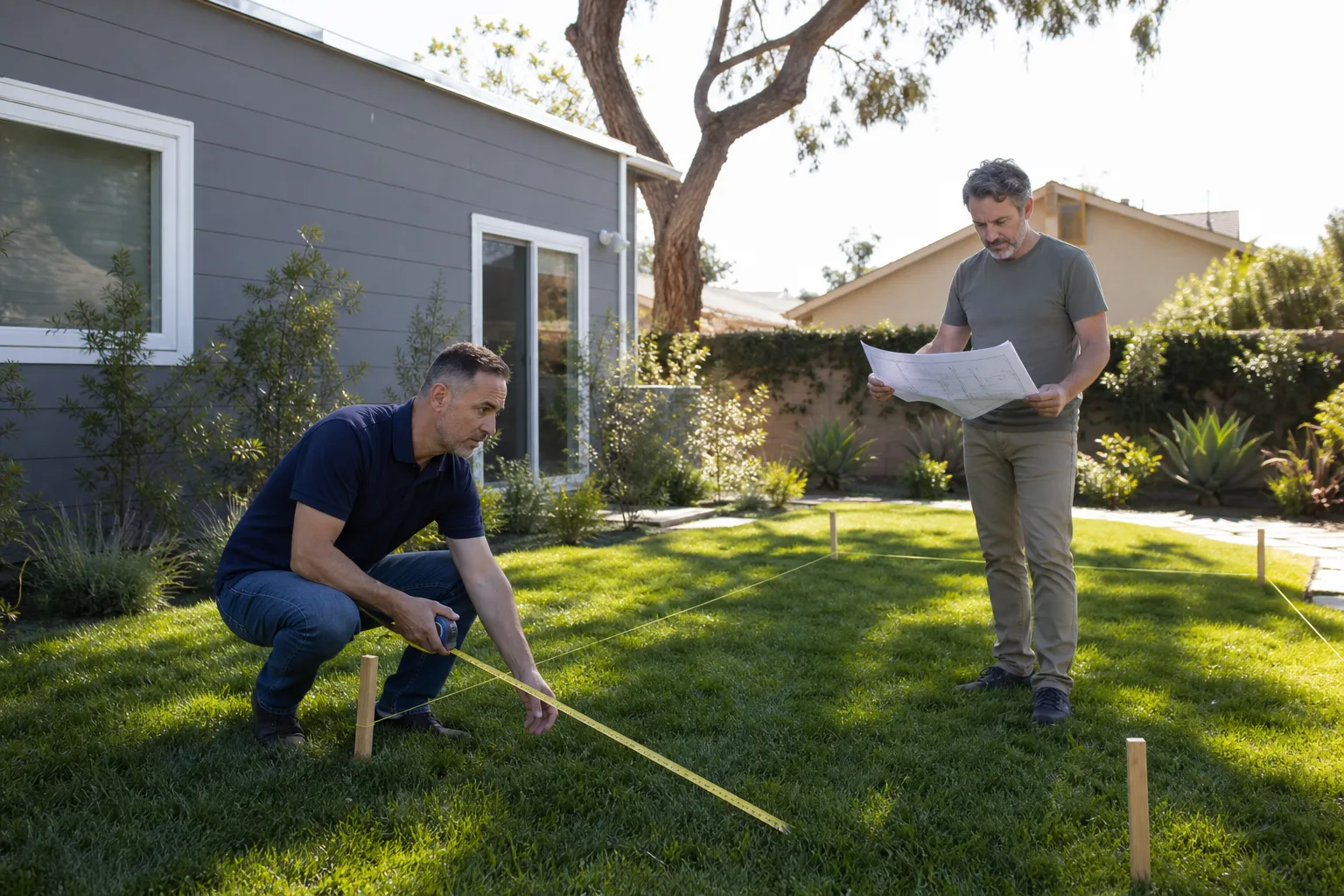
Site walk and measurement. We visit the property, measure the existing Abodu, check the grade, and locate utilities. This is where we flag things like setback requirements (the minimum distance a structure must sit from property lines) and easement issues that could kill a project before it starts.
- 2
Written scope and price. You get a line-item quote with every material, finish, and labor cost spelled out. Troy Eastman puts the number on paper before anything else happens. If the scope doesn’t change, neither does the price.
- 3
Permits and plans. We prepare the drawings and pull permits with the City of San Antonio. If engineered stamps are required, we coordinate that too. You don’t chase paperwork.
- 4
Foundation and framing. We pour the addition’s foundation independent of the Abodu chassis, then frame the structure and tie it in with the engineered connection detail that handles soil movement.
- 5
Systems, finishes, and closeout. Electrical, plumbing, HVAC, drywall, paint, flooring, and trim go in. We walk the job with you, fix anything that isn’t right, and hand you a written 365-Day Done Right Promise covering the work.
What Abodu Home Addition Contractor Costs in San Antonio
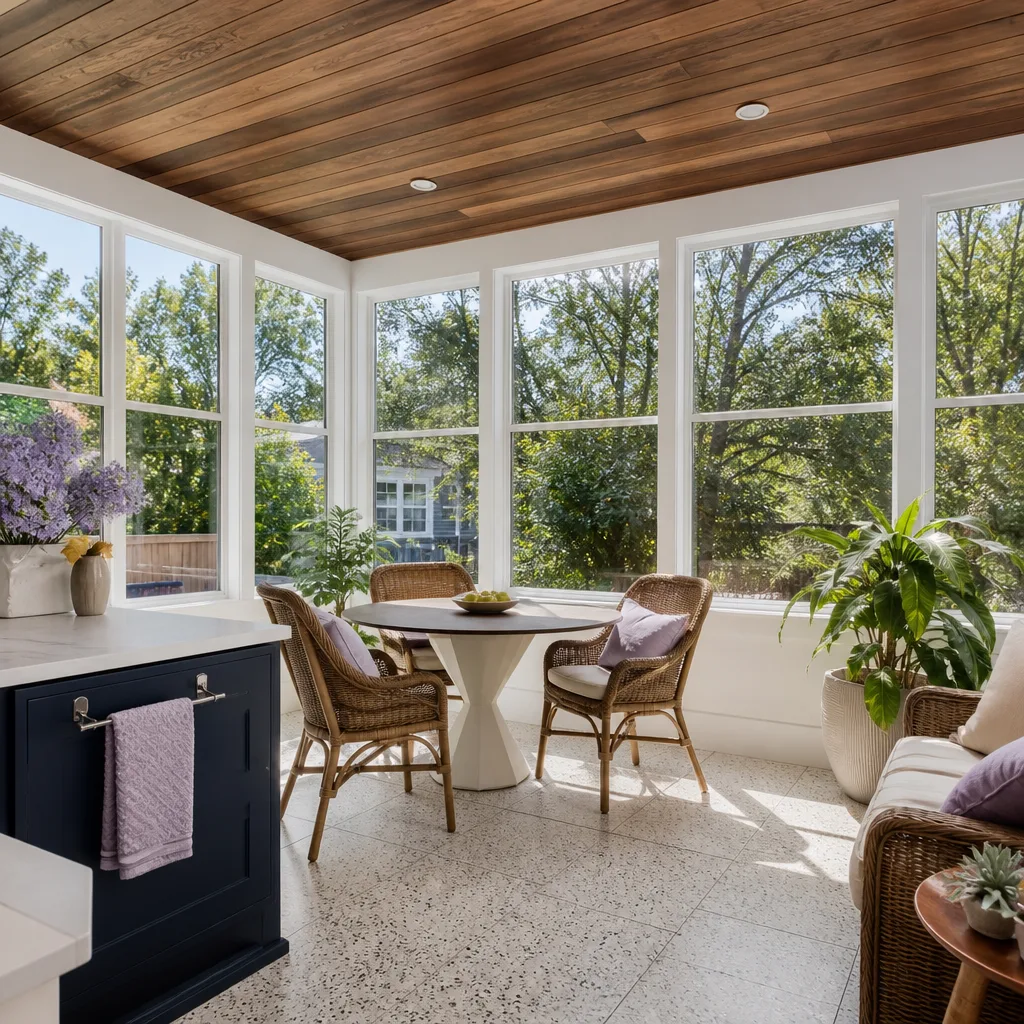
Here are honest ranges for common Abodu addition scopes in the San Antonio market:
- Bump-out addition (100 – 180 sq ft): $35,000 – $65,000
- Sunroom addition (150 – 250 sq ft): $45,000 – $85,000
- Bedroom or bathroom addition (200 – 300 sq ft): $70,000 – $120,000
- Garage addition (400 – 500 sq ft): $60,000 – $110,000
- Second story addition (600 – 900 sq ft): $140,000 – $220,000
What moves the price: foundation conditions on your lot, panel upgrades, finish level, and how far we have to trench for plumbing. The number goes on paper first. Everything else follows from there. Call (430) 258-2928 and we’ll give you a written quote you can actually plan around.
Why San Antonio Homeowners Call Benson ADU San Antonio for Abodu Work
We’re part of the Relay Home Co. family, founded in 2006, and we built our reputation on doing exactly what we say we’ll do. Every Abodu addition we build comes with a written guarantee, and our 365-Day Done Right Promise means if it isn’t right within a full year, we make it right. Our techs show up background-checked and in uniform, so you always know who’s walking onto your property. And if you’re weighing Abodu against another prefab route, we also build with Cover and Dvele, which means you get an honest comparison instead of a sales pitch for whichever brand we happen to carry. A live person answers our phone 24/7, because a contractor you can’t reach is just a voicemail with a truck.
FAQs
Adding site-built square footage next to an Abodu module generally does not void the Abodu warranty on the original unit, as long as the addition is structurally independent and doesn’t modify the Abodu chassis, roof membrane, or primary systems. We design and build every addition this way by default. Call (430) 258-2928 and we’ll explain exactly how the warranty math works for your specific unit.
A typical Abodu addition takes eight to fourteen weeks from permit approval to final walkthrough, depending on scope and weather. San Antonio’s dry summers actually help framing and stucco work move fast. We’ll give you a written schedule with the quote so you know the plan before we start.
Yes, we pull all required permits with the City of San Antonio and schedule inspections. Unpermitted additions create problems when you sell the home, and lenders will flag them during appraisal. We handle the paperwork so the project is legal and insurable from day one.
The main difference is the connection detail. An Abodu sits on a steel chassis with specific movement characteristics, and a new addition needs its own foundation and an engineered transition. That’s the part most contractors miss. We’ve been building these connections across San Antonio for several years, including projects tucked into established lots near the King William Historic District.
No. The price we put in writing is the price you pay, unless you change the scope mid-project. No change orders for things we should have caught in the walkthrough, no “unexpected conditions” surprise bills. If we find something during construction that affects the approach, we discuss it with you before any dollar amount changes. Call (430) 258-2928 to get your written quote started.
Written by Troy Eastman, Owner & Builder, Benson ADU San Antonio at Benson ADU San Antonio, serving San Antonio and nearby areas.